
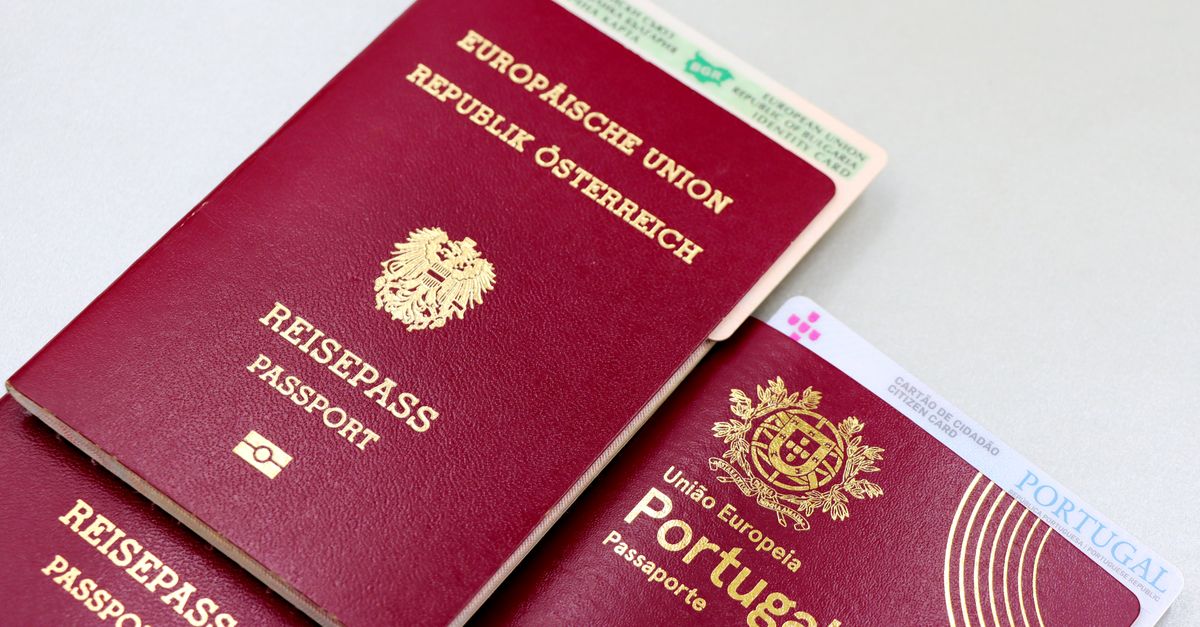
A worker is injured, misses a check-in, or needs urgent support, and staff open the file. The passport copy is old, the emergency number is missing, or the contact is in a chat thread nobody can access. The crisis exposes a quiet data gap. This is why passport and emergency contact collection needs its own process.
Why critical data goes missing
Passport and emergency contact details are often collected early, then treated as finished. But workers renew passports, change phones, move housing, and update family contacts.
If the data lives in intake forms, chats, scans, or local spreadsheets, staff may not know which version is current.
A file can contain a passport photo and still fail in an emergency if staff cannot confirm whether it is current. The same is true for a family contact that was collected months ago but never checked before arrival.
Why missing data creates risk
In urgent situations, staff should not be searching old messages or asking coworkers for family numbers. Delays can affect care, communication, travel support, and employer confidence.
The worker also deserves to know that sensitive information is collected carefully and used only for appropriate reasons.
What passport and emergency contact collection protects
A good process collects current passport details, emergency contacts, relationship, country, phone, email, and preferred language. It stores the documents and data where approved staff can access them when needed.
The goal is not more paperwork. It is readiness during moments that do not allow searching.
Seven steps inside SumHubs
You don't have to start from a blank page.
You do not have to build this from a blank page. The passport and emergency contact collection solution exists as a pre-built template, free to start and adapt in an afternoon. If you would rather see it with your own fields, privacy wording, and access rules first, request a sample hub and we will build one for your institution.